Why planning ahead is essential to aging well
Too many conversations about aging begin after something has already gone wrong. A fall. A hospital stay. A caregiver nearing exhaustion. A growing sense that daily life has become harder to manage, but no clear plan for what comes next. By that point, decisions often feel urgent, emotional, and constrained by circumstance.
We need to do better than that.
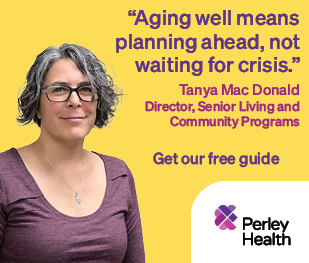
Aging well means planning ahead, not waiting for crisis. It means taking time to reflect on what is working now, what may become more difficult over time, and what kinds of supports could help preserve quality of life as needs change. That is true for Veterans and Seniors alike, and it is equally true for the families and caregivers who support them. This planning-forward approach is at the heart of Aging Well is Living Well, the practical guide Perley Health has developed for Veterans, Seniors, families, and caregivers. In my role at Perley Health, I see every day that quality of life is shaped by much more than healthcare alone. It is influenced by whether a home still feels safe and manageable, whether a person can stay connected to their community, whether transportation has become a source of stress, and whether family and caregiver supports are still sustainable. These are not peripheral concerns. They are central to whether someone is truly living well.
Aging in Place
At Perley Health, we believe our role is not only to deliver quality care and services, but also to help people understand aging, quality of life, and all the options available. Our Centre of Excellence in Frailty-Informed Care brings together research, practice, and lived experience to reinforce an important insight: aging in place is not always the same as aging in the right place. It's best to consider whether a person's current situation still supports safety, independence, connection, and personal preference. For some people, the right next step may be relatively light: more support at home, access to clinical services, more opportunities for social connection, or respite for caregivers. For others, it may mean considering a different housing or care setting. The goal is not to rush those decisions. It is to make them thoughtfully, before circumstances make the decision for you. That is why we created this guide. It's designed to help start reflection and conversation before a difficult moment arrives. It is also part of Perley Health's broader commitment to lead with practical insight, evidence-informed thinking, and compassion. Support from the Perley Health Foundation helps strengthen that work by investing in care, comfort, innovation, and quality of life for Veterans and Seniors.
I invite you to explore the guide and consider what planning ahead for aging well could mean for you, your family, or the people you serve. Download it here.
By Tanya Mac Donald, Director, Senior Living and Community Programs, Perley Health